Foresights

NEWSLETTER / BLOG

Foresights

Decoding where the industry is going, before it gets there.

This is where we share perspectives on programme execution, system-level failures, and the signals shaping how complex programmes get built, delivered, and held to account.

No summaries. No noise. Only what matters, and what it leads to.

Explore Now

SIGNALS | SYSTEMS | WHAT HAPPENS NEXT

Perspectives on programme execution, the systems that shape it, and what comes next.

Date: June 09, 2026

Bentley Didn't Choose Inefficiency. They Chose Control.

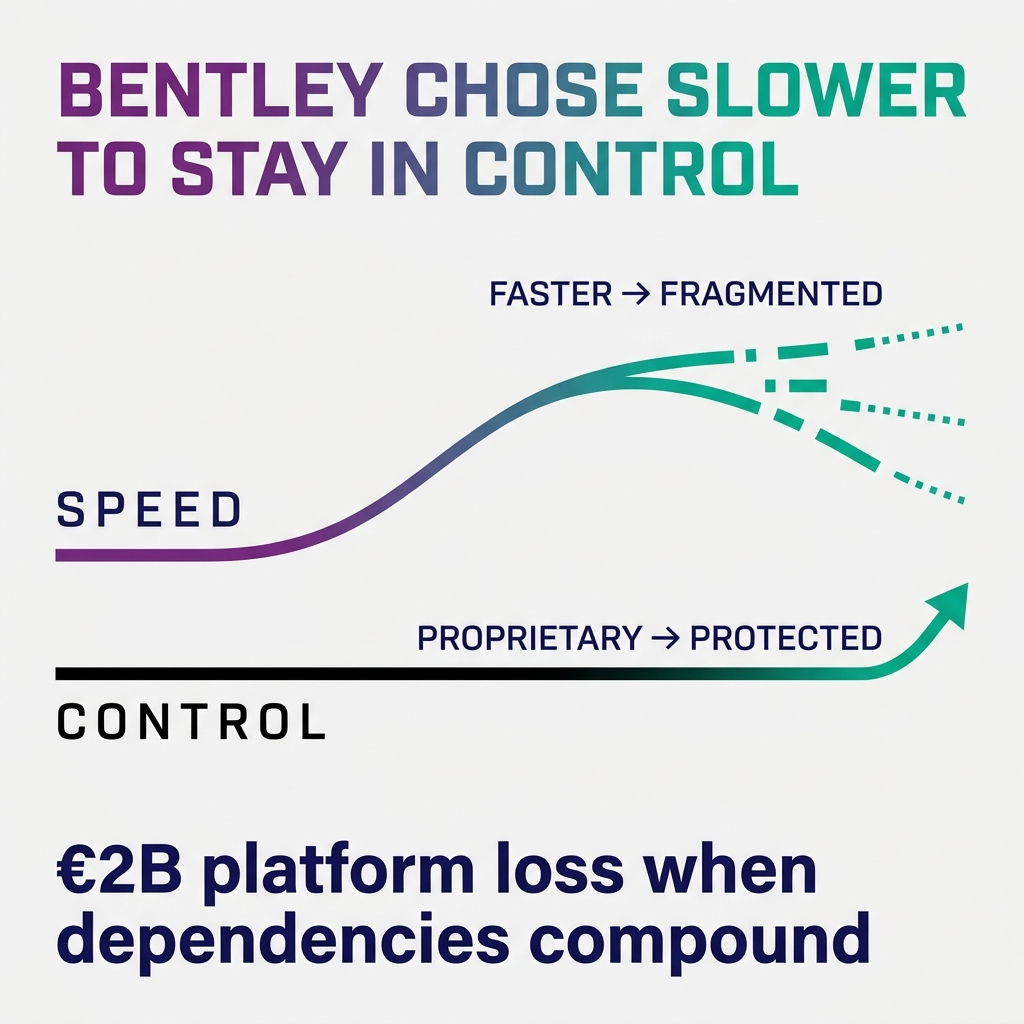
Bentley's recent product and platform decisions may look sub-optimal on cost and speed. Volkswagen Group's partnerships with Chinese technology firms, through SAIC and XPeng, offer access to faster and lower-cost electrification components. Bentley ruled them out. Its CEO was direct about why: "people are looking for a British luxury car." The brand is proceeding instead with its own hybridised architecture, what Walliser himself calls a range extender, a 4.0-litre twin-turbo V8 paired with a sm.

Read More

Date: May 29, 2026

Why Programmes Slip Even When Every Process Is Followed

There is a version of this industry that looks highly organised. Gateway reviews. DFMEA processes. Supplier readiness tracking. Validation gates. Escalation pathways. Lessons learnt capture. Most large OEM programmes carry all of these and more, built up over decades of hard-won process maturity. And yet programmes still slip. Issues still arrive late. Warranty accruals still climb. Launches still scramble. The standard explanation is execution failure. Someone missed a milestone, a supplier u.

Read More

Date: May 24, 2026

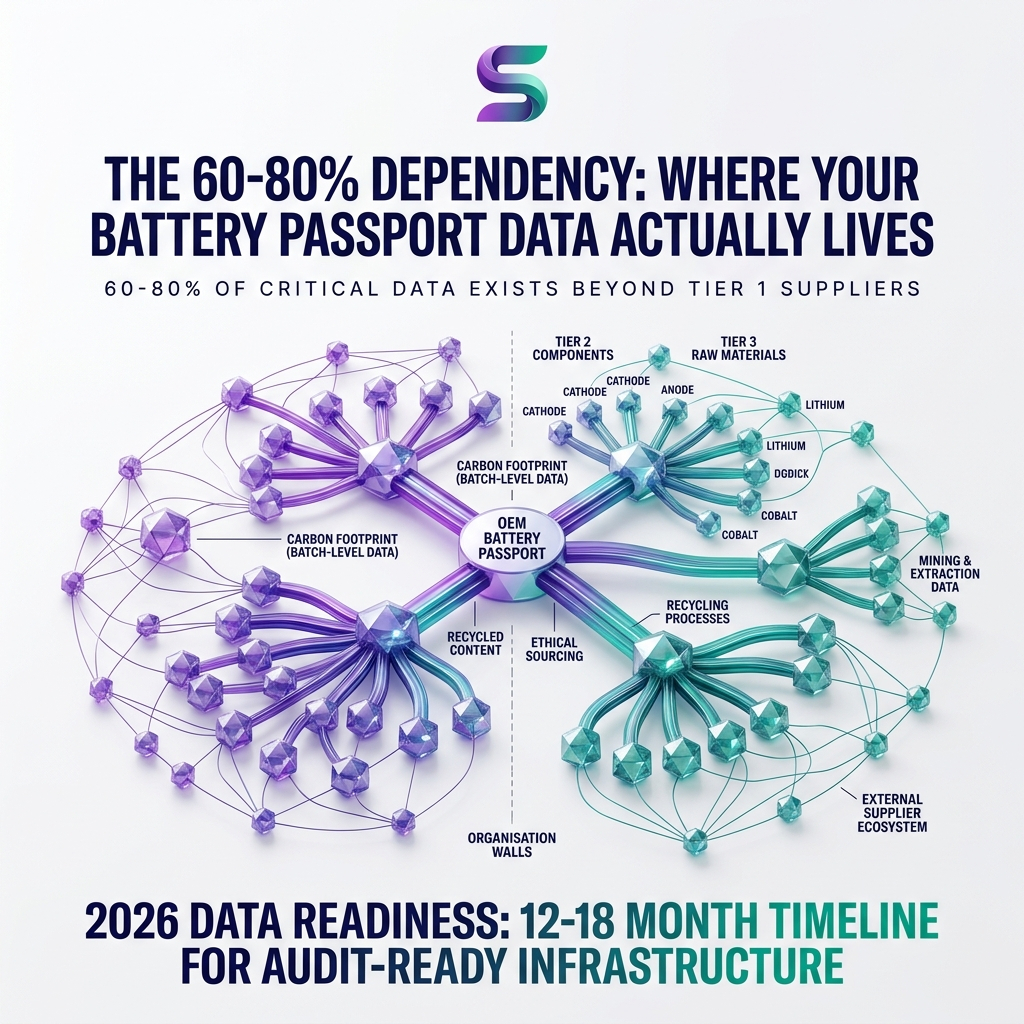
The EU Battery Passport Isn't a Compliance Problem. It's a Validation Saturation Problem.

The automotive industry is already operating at the edge of its validation capacity. UNECE regulations. WLTP. Euro 7. ISO 26262. ASPICE. WP.29 cybersecurity. ELV directive. CSRD. And now the Battery Passport, mandatory by 2027. Each of these arrived with the same logic. The regulation is necessary. The data is achievable. The timeline is reasonable. What none of them account for is the compounding effect. Vehicle programmes that entered planning in 2022 are now mid-validation. Some are within.

Read More

Date: May 23, 2026

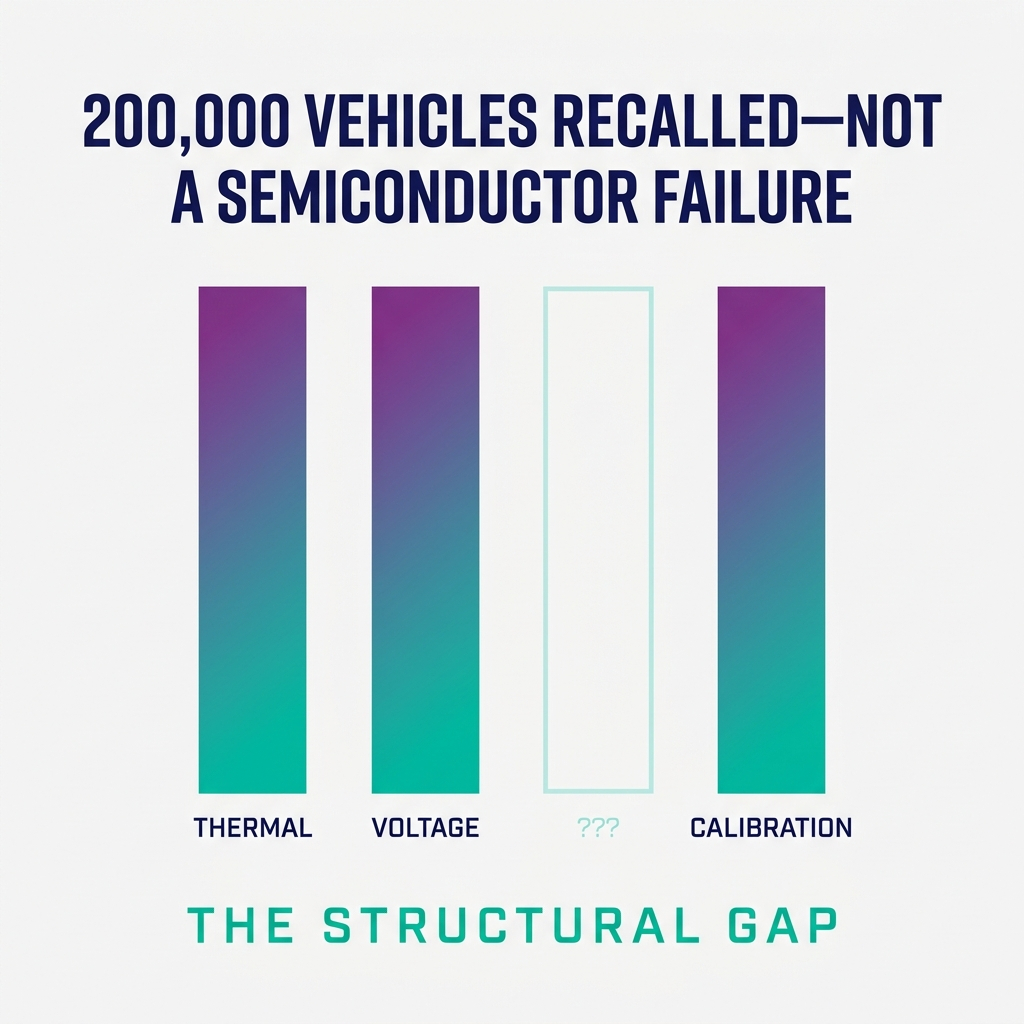
When Thermal Cycling Exposed What Milestones Couldn't See

The E-GMP platform ICCU recalls affecting more than 200,000 vehicles should not be read as a semiconductor failure. It is a structural failure. Public records confirm two NHTSA recall waves. The official language is precise: "transient high voltage and thermal cycling" damaging MOSFETs inside the Integrated Charging Control Unit. NHTSA documentation describes the defect as cumulative damage from compound stresses operating simultaneously. That phrase matters. This is not one failure mode. It .

Read More

Date: May 14, 2026

Malaysia's EV Policy and the Hidden Coordination Tax

Malaysia's Ministry of Investment, Trade and Industry introduced new regulations for completely built-up electric vehicle imports on 1 July 2026. Minimum cost, insurance, and freight value of RM200,000. Minimum motor output of 180 kilowatts. The stated objectives are straightforward enough: position imported EVs as premium offerings, incentivise foreign carmakers towards local assembly operations, accelerate industrial capability formation within Malaysia's automotive ecosystem. What interests.

Read More

Date: May 12, 2026

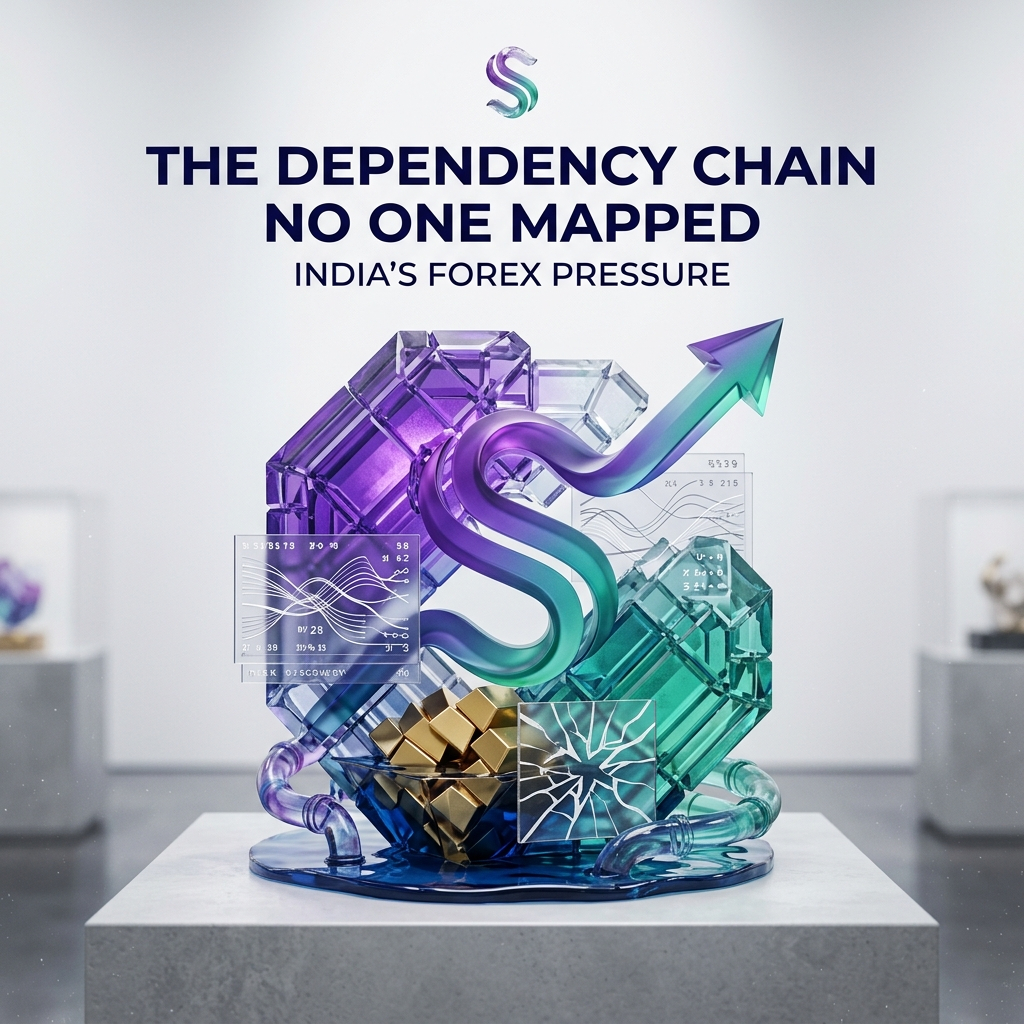
When Systems Can't Survive Truth: What India's Gold Crisis Reveals About Structural Fragility

I've spent seventeen years watching how organisations respond when reality becomes unsafe to surface. The pattern is always the same. Teams stop escalating problems. Information gets filtered. Local buffering increases. Shadow systems emerge. Everyone becomes busier whilst structural velocity collapses. By the time leadership sees the crisis, the recovery window has already closed. India's current forex pressure follows this exact structure. The Dependency Chain No One Mapped India import.

Read More

Date: May 09, 2026

When Geopolitical Instability Rewrites India's Automotive Economics

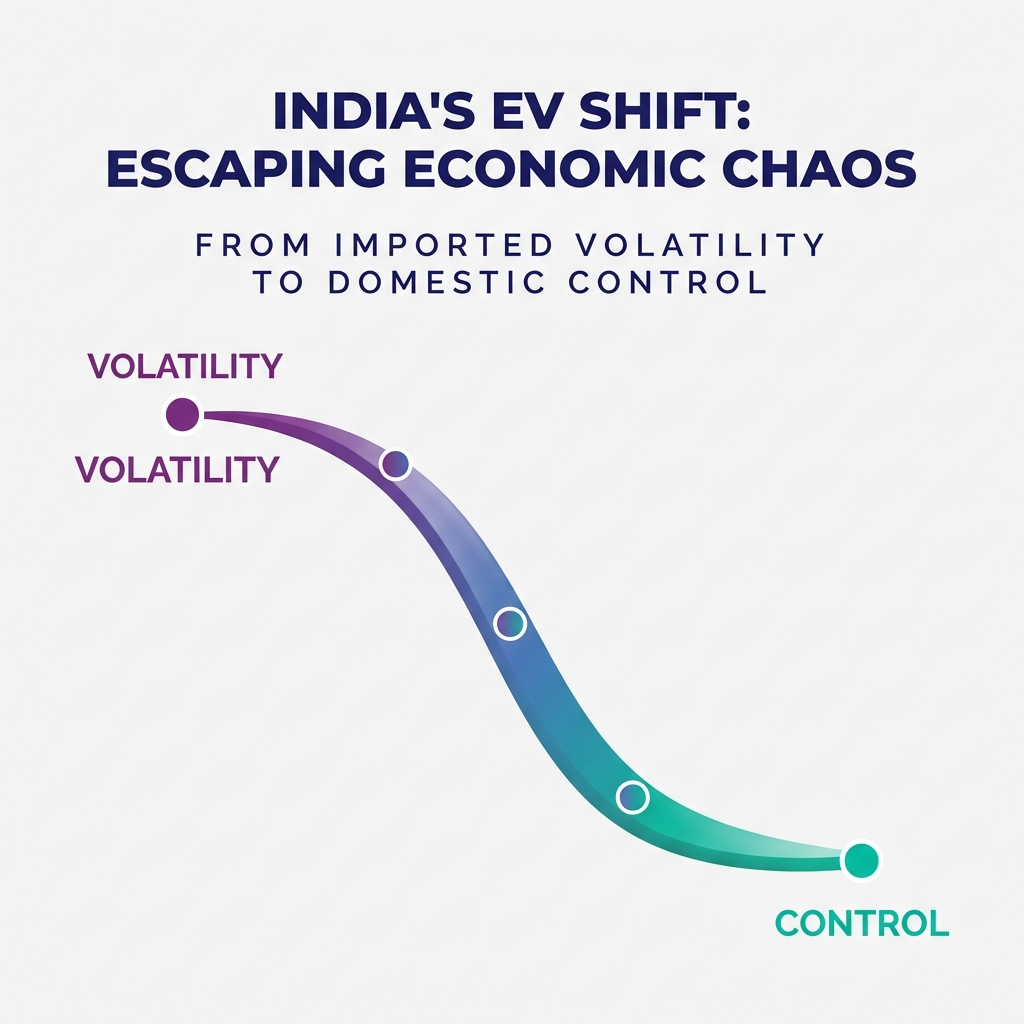
Here's what almost everyone gets wrong about India's electric vehicle shift. They think it's about saving the planet. It isn't. Look at the headlines. Climate policy. OEM rivalry. Consumer trends. Government mandates. Those are the surface ripples. But underneath? The system is tearing itself apart. India's mobility economy became exposed to forces it can no longer absorb. The cracks appeared where they always do: at the edge, where people actually depend on vehicles to survive. Delivery r.

Read More

Date: May 09, 2026

What Tesla's Dual Recall Reveals About Automotive Execution Architecture

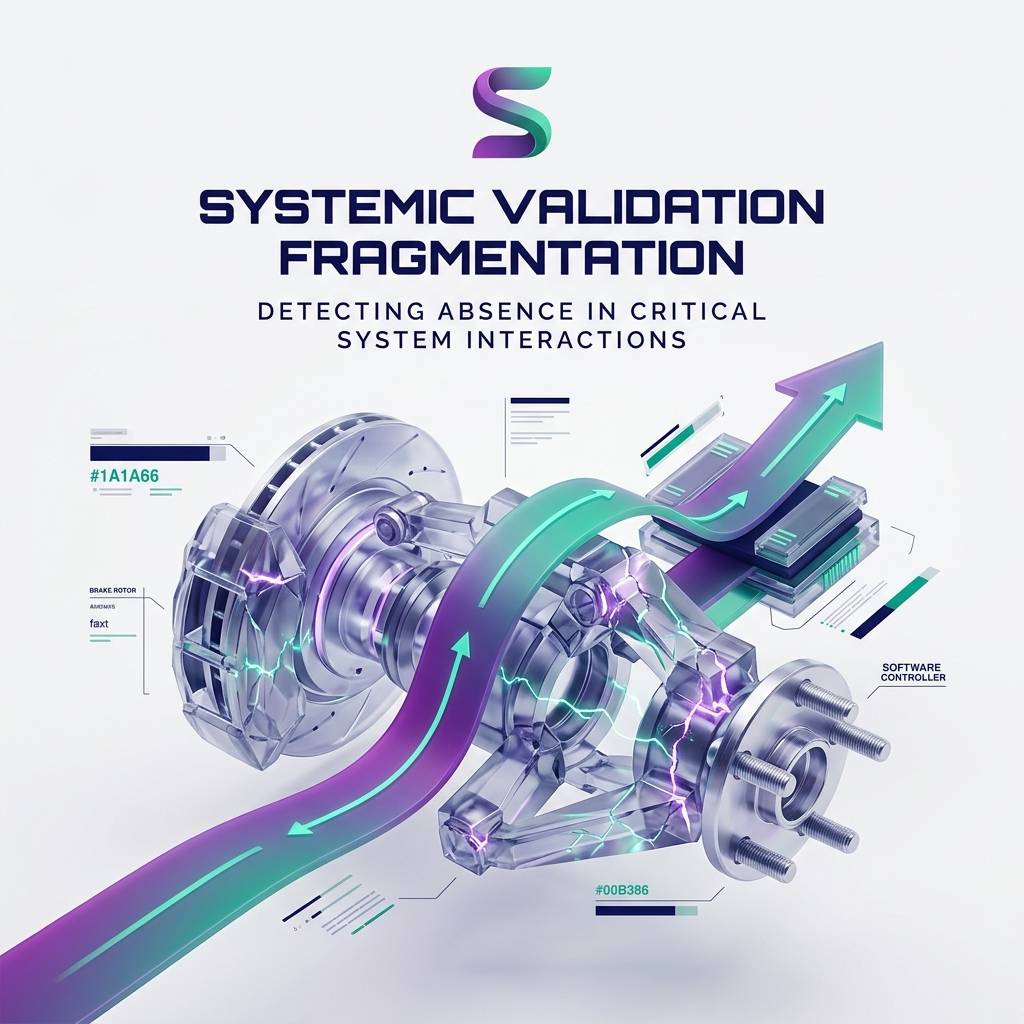
Tesla announced two recalls this week affecting nearly 219,000 vehicles. The first involves 173 Cybertrucks with optional 18-inch steel wheels, where cracked brake-rotor stud holes could allow wheel studs to separate, potentially causing a wheel to detach whilst driving. The second affects 218,868 Model 3, Model Y, Model S, and Model X vehicles with a rearview-camera software issue causing image lag after shifting into reverse, creating a temporary blind spot that could persist for up to 11 seco.

Read More

Date: May 02, 2026

The Industry Will Measure What Happened After Production Started—I'm Watching What Happened Three Years Before

The Tesla Semi entered volume production in April 2026. Seven years after its unveiling. Every analyst focused on the same downstream metrics: line speed, unit economics, market penetration. Those numbers matter. But they tell you whether the factory works, not whether the programme was architected to succeed. I'm looking upstream. At the decisions made years before the first production unit rolled off the line. Because when a launch succeeds, you're seeing the end of a decision chain that st.

Read More

Date: April 28, 2026

The Undercurrent That Breaks Automotive Programmes

A few days ago, I wrote that automotive doesn’t have an innovation problem. That usually gets a nod. Sometimes even agreement. But it also leaves an obvious question hanging. If innovation isn’t the issue, then what is? It’s not one big failure. It’s what sits underneath everything we track. Where programmes actually start slipping Most programmes don’t slip at milestones. They slip long before that. Not in a way that shows up in reports. Not in a way that gets escalated. But in small, .

Read More

Date: April 23, 2026

The Auto Industry’s Biggest Problem in 2026 Isn’t Strategy. It’s Execution.

Three forces have quietly converged in the auto industry, and together they’re breaking how OEMs, Tier 1s and Tier 2s run programmes. First, regulators are tightening real world emissions, durability and software safety. Euro 7-style rules, the UK’s latest moves and a growing stream of software-linked recalls aren’t just tightening limits — they’re changing how validation has to be designed, scheduled and proven. Second, politicians are wobbling on EV mandates and timelines. The UK is reviewin.

Read More

Date: April 08, 2026

Automotive Is No Longer Global And That Changes Everything

Three years ago, the future of automotive looked predictable. Electrification by mandate. Carbon targets locked in. Supply chains regionalising in a controlled way. There was a sense of direction and more importantly, a sense of stability. Subscribe That version of the future no longer exists. What has replaced it is something far more complex. The automotive industry is no longer being shaped primarily by technology. It is being reshaped by war, by policy reversals, and by the breakdown of .

Read More

Date: April 08, 2026

Automotive Doesn't Have an Innovation Problem. It Has an Execution Problem.

Automotive is not short of ambition. It is short of protected outcomes. Electrification programmes running into the tens of billions. Software-defined vehicles reshaping how cars are conceived and built. Supply chains being restructured in real time to reduce dependency and build resilience. By almost any measure, the capital commitment to the future of the industry is extraordinary. And yet, something is going quietly wrong at the same time. Warranty costs — the kind of number that rarely m.

Read More

© 2026 Signetra Systems Private Limited. All rights reserved.